


Writing
Writing at Coates Way
Intention
Our intention is that pupils learn and apply skills, vocabulary and grammar knowledge that will enable them to write coherently, purposefully and in a way that engages the reader. We believe that handwriting and spelling are also key components of writing effectively and that fluent, legible handwriting frees up working memory to enable more thoughtful, creative writing. We know that our children come from diverse cultures and backgrounds, so it is important that we give time to delve into the setting and context of the text being used and generate rich, high-level vocabulary that the children can use independently.
Implementation
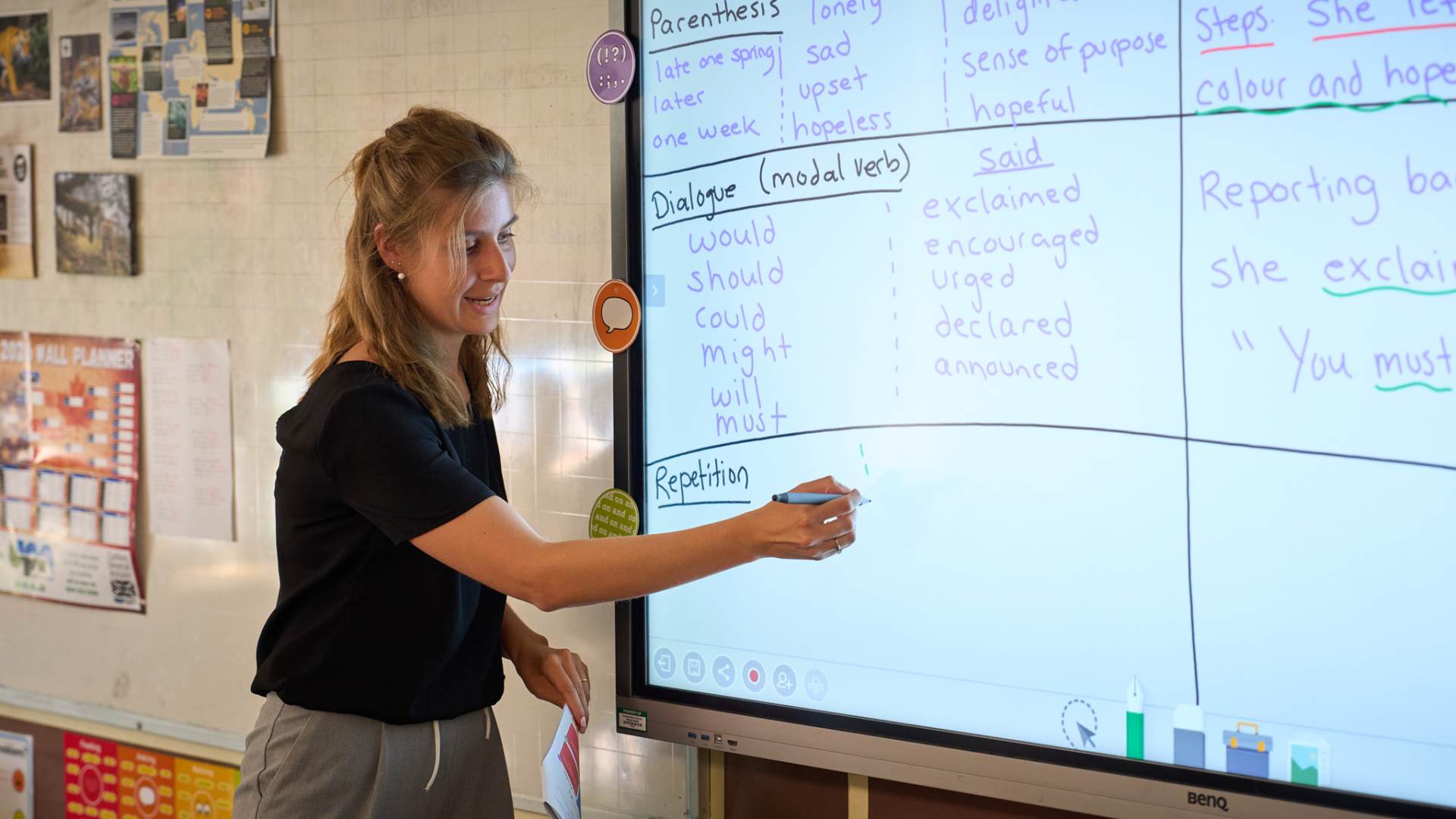
We have adopted ‘The Write Stuff’ by Jane Considine to bring clarity and consistency to our writing skills teaching writing, the children explore high quality texts and are taught grammar and spelling in context.
As part of the teaching sequence, teachers plan experience days; teacher-led writing lessons and independent writing sequences. Experience days immerse children in experiences linked to their writing and enable them to enter the world of the text and learn context specific vocabulary.
A clear progression of substantive knowledge is taught from EYFS to Year 6. This includes the fundamental learning of the ‘what’ of a text: grammar, vocabulary, structural devices, content and how to structure the content depending on the genre of writing. Disciplinary knowledge – the ‘how’ of writing – is an important part of our curriculum. Children have regular opportunities to plan and write independently and creatively. Proofreading, editing and redrafting skills are taught appropriately as the children progress through the school.
Impact
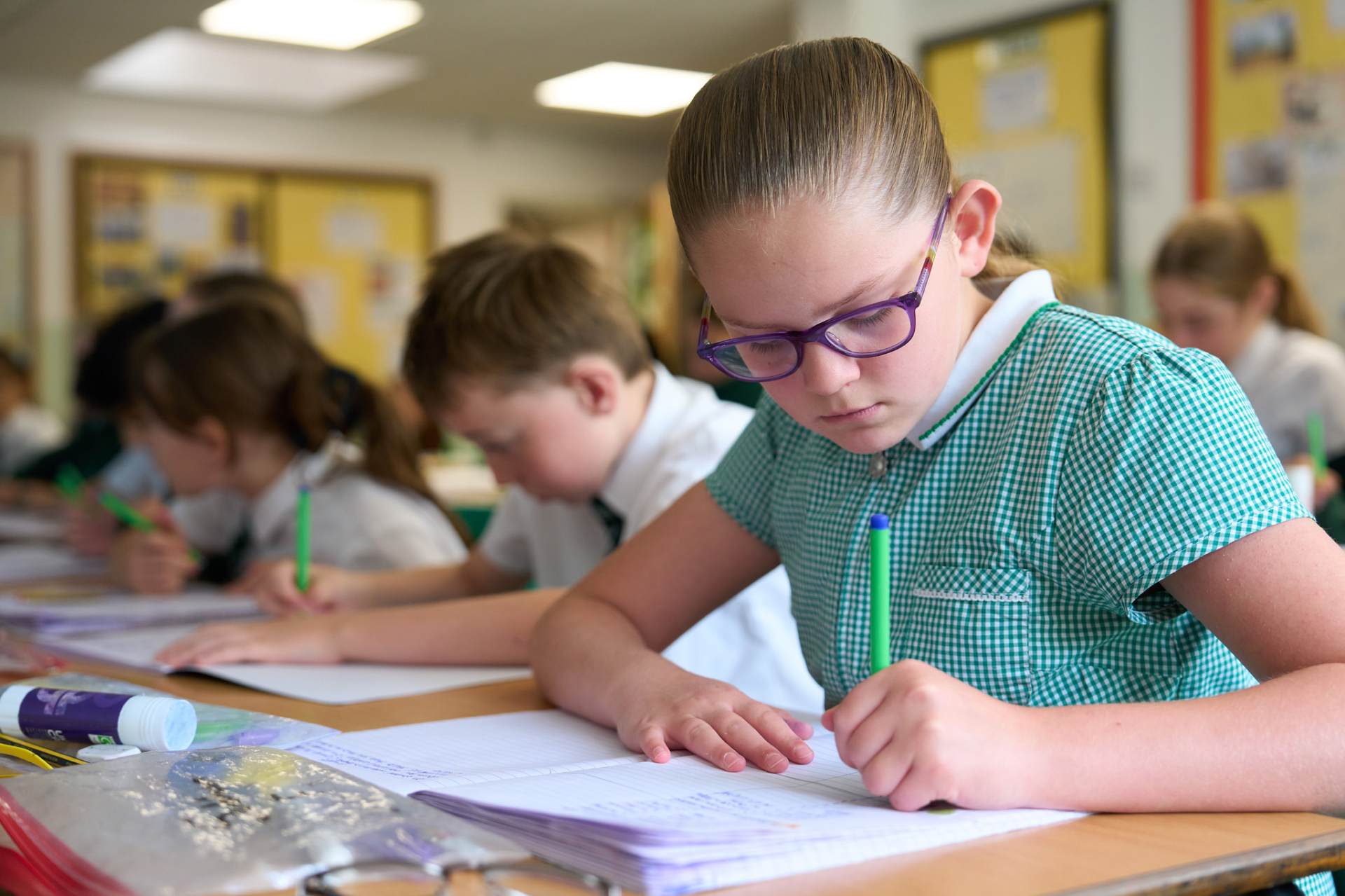
Children will be able to write for a range of purposes including stories, diary entries, persuasive letters, poems and reports to name but a few. They use vocabulary and writing devices to excite, inform or entertain the reader. They demonstrate their understanding of a range of punctuation and the effect it can have on the reader in both writing and reading. Children will be able to spell accurately using their phonetic knowledge and apply spelling rules, use dictionaries to check their spellings and thesauruses to find appropriate synonyms. They will also read their work aloud clearly, fluently and coherently, and listen attentively to others with understanding and empathy.
EYFS
EYFS use Herts for Learning ‘Writing Essentials’. You can find out more on their dedicated page here.
Pupil voice
In a recent Smart School Council Class Meeting, pupils were asked which type of writing they enjoy the most. Whilst all the options were selected by some children, the majority said that they prefer to write stories.
They commented: “in a story anything is possible”, “you should do a story because you can let your imagination run free”, “I like stories because they make me feel happy”.